Quick answer: Solar reflective shingles Canada homeowners ask about are designed to reflect more solar radiation than standard dark asphalt shingles. On sun-exposed roofs, especially in southern Ontario, they can help reduce roof surface heat, lower attic heat gain, and improve upper-floor comfort during hot summer months. They are usually most worth considering when you are already planning a roof replacement and your roof gets strong south or west exposure.
Solar reflective shingles are not a magic fix for every roof. They do not replace proper installation, attic ventilation, insulation, flashing, underlayment, or roof deck preparation. But in the right Canadian climate and on the right home, reflective asphalt shingles can be a practical upgrade with real comfort and efficiency benefits.
Planning a roof replacement? RonOvations can help you compare standard asphalt shingles, solar reflective shingles, and metal roofing based on your roof exposure, budget, ventilation, and long-term plans.
What Are Solar Reflective Shingles?
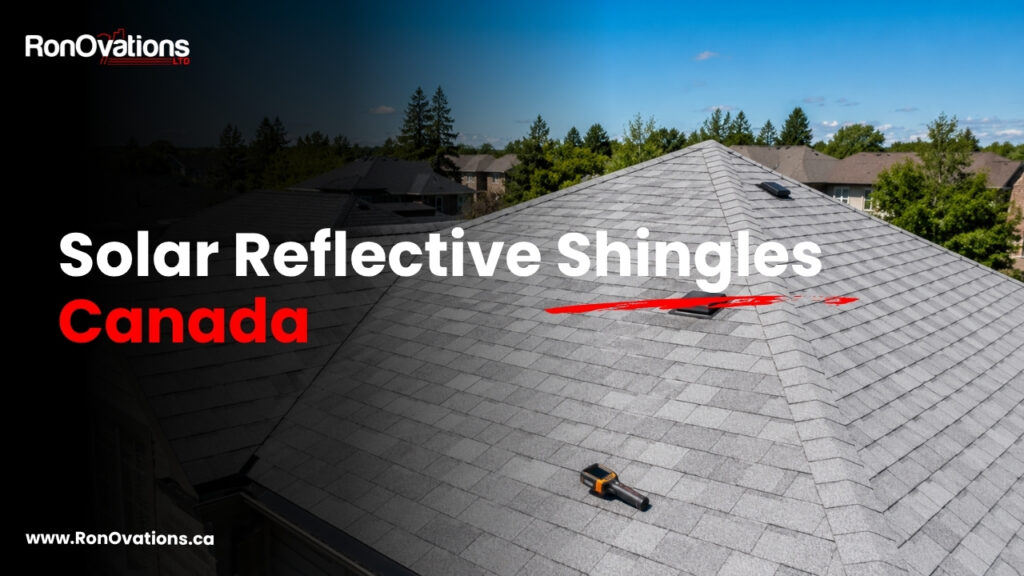
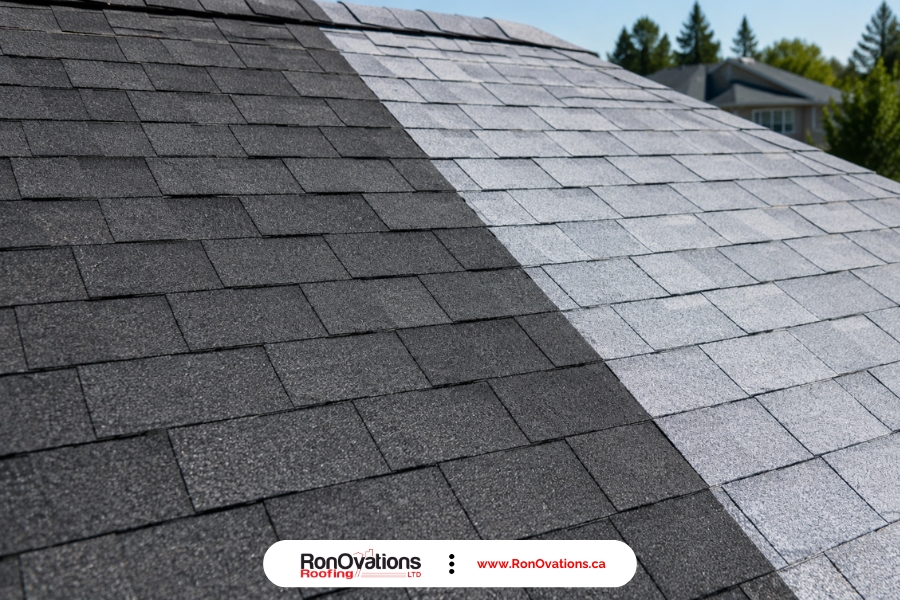
Solar reflective shingles, often called cool roof shingles in Canada, are asphalt shingles designed to reflect more of the sun’s energy than conventional dark shingles. Instead of absorbing as much heat, they use specially engineered roofing granules that reflect a higher percentage of solar radiation, including near-infrared energy.
On a standard dark asphalt roof, much of the sun’s energy is absorbed into the shingle surface. That heat can transfer into the roof deck and attic, especially during long sunny afternoons in July and August. Reflective shingles are designed to reduce that heat gain at the roof surface.
The key measurement to understand is solar reflectance, which describes how much sunlight a roofing material reflects. Another useful measurement is SRI, or Solar Reflectance Index, which combines solar reflectance and thermal emittance into one rating. Homeowners and contractors can review rated products through the Cool Roof Rating Council roof product directory.
Do Solar Reflective Shingles Work in Canada?
Yes, solar reflective shingles work in Canada in the right conditions, but their value depends on climate, roof exposure, air conditioning use, insulation, ventilation, and how long the homeowner plans to stay in the property.
In southern Ontario, many homes experience strong summer sun, high humidity, and extended cooling periods. A roof that absorbs less heat can help reduce attic heat gain and may reduce the load on the cooling system. The benefit is usually most noticeable on homes with:
- South-facing or west-facing roof slopes
- Limited tree shade
- Finished upper floors that get hot in summer
- Central air conditioning or heat pump cooling
- Older roof systems being replaced anyway
- Attics where ventilation and insulation are being reviewed at the same time
However, reflective shingles are not equally valuable everywhere in Canada. In northern regions with short cooling seasons, the energy savings may be too small to justify the upgrade cost. In heavily shaded neighbourhoods, the roof may not receive enough direct sunlight for reflectivity to make a meaningful difference.
Where Solar Reflective Shingles Make the Most Sense
Reflective asphalt shingles in Ontario usually make the most sense on homes with meaningful summer heat, strong sun exposure, and regular air conditioning use. This includes many urban and suburban homes where dark asphalt roofs can absorb significant heat during July and August.
For homeowners in Toronto, Mississauga, and surrounding GTA communities, the value depends less on the city name and more on roof exposure, shade, attic ventilation, roof colour, and how often the home uses mechanical cooling.
In Alberta, solar reflectivity can still help during sunny summer days, but durability is just as important. In areas with hail, wind, freeze-thaw cycles, and storm exposure, homeowners should compare reflectivity with impact resistance and overall roof system strength.
In colder prairie climates such as Manitoba, the decision should be balanced against harsh winter conditions, snow load, wind exposure, attic insulation, and installation quality. Reflective shingles can still be part of the conversation, but the whole roof system matters more than shingle colour alone.
Solar Reflective Shingles vs Standard Asphalt Shingles
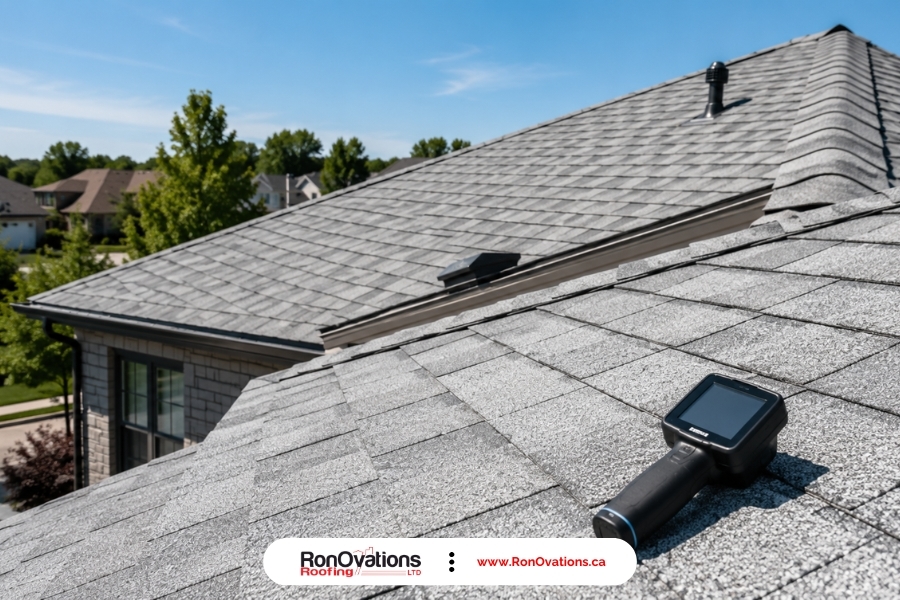
When comparing solar reflective shingles vs standard asphalt shingles, the main difference is heat absorption. Both products protect the home from weather, but reflective shingles are designed to reduce solar heat gain at the roof surface.
Are Reflective Shingles the Same as ENERGY STAR Shingles?
Not exactly. Homeowners should be careful with the term “ENERGY STAR shingles.” The ENERGY STAR specification for roof products was sunset on June 1, 2022, so roof products are no longer actively certified under that program.
Older articles, product sheets, or sales language may still use terms like “ENERGY STAR-rated” or “ENERGY STAR-qualified.” Today, it is better to check whether a product is cool-rated, CRRC-listed, or has published solar reflectance, thermal emittance, and SRI values.
This matters because homeowners should choose a product based on current technical ratings, manufacturer specifications, local availability, and roof design, not outdated certification wording.
Which Brands Offer Cool Roof or Reflective Shingle Options?
Availability changes by region and distributor, but several major roofing manufacturers have offered reflective or cool-rated asphalt shingle options. In Canada, homeowners may come across reflective or cool roof options from manufacturers such as GAF, Owens Corning, IKO, CertainTeed, and BP.
The exact product line, colour, warranty, and rating can vary. Some reflective shingles are light grey, white, tan, or beige, while others are designed to look closer to traditional architectural shingles while still improving reflectance compared to standard dark asphalt.
Before choosing a product, ask your roofing contractor to confirm:
- The exact shingle line and colour name
- Manufacturer warranty terms
- Whether the product is available from local suppliers
- Published solar reflectance, thermal emittance, or SRI data
- Whether the colour fits your home, neighbourhood, and exterior design
- Whether the product makes sense for your roof slope and exposure
Solar Reflective Roof Shingles Cost in Ontario
Solar reflective roof shingles cost more than standard asphalt shingles, but the upgrade is typically much smaller than switching from asphalt shingles to a premium metal roof system.
In most residential projects, the final cost depends on:
- Brand and product line
- Colour availability
- Supplier pricing
- Roof size and complexity
- Roof pitch and accessibility
- Whether the reflective shingle is stocked or special order
- Whether the project includes ventilation, decking, or insulation upgrades
For a typical Ontario asphalt roof replacement, the reflective shingle upgrade may add a modest percentage to the total project cost. On a full re-roof, that premium is easiest to justify when the roof receives strong direct sun and the homeowner plans to stay in the home long enough to benefit from reduced heat gain and improved comfort.
If the roof budget is tight, prioritize proper installation, roof deck inspection, ice and water protection, flashing, ventilation, and workmanship before paying extra for reflective granules.
Will Reflective Shingles Make Your Home Colder in Winter?
This is one of the most common questions Canadian homeowners ask. The concern makes sense: if a roof reflects solar heat in summer, does it also reflect useful heat in winter?
In practice, the winter penalty is usually limited for most well-insulated homes. There are three main reasons.
1. Winter Sun Angles Are Lower
In many Canadian regions, the winter sun sits much lower in the sky than it does during summer. That means the roof often receives less direct solar radiation at a useful angle. The amount of passive heating gained through the roof surface is usually modest compared to the home’s total heating load.
2. Snow Cover Often Blocks the Roof Surface
During parts of the winter, snow cover can block sunlight from reaching the shingles entirely. When the roof is covered, the colour or reflectivity of the shingle surface matters far less.
3. Attic Insulation Does the Real Work
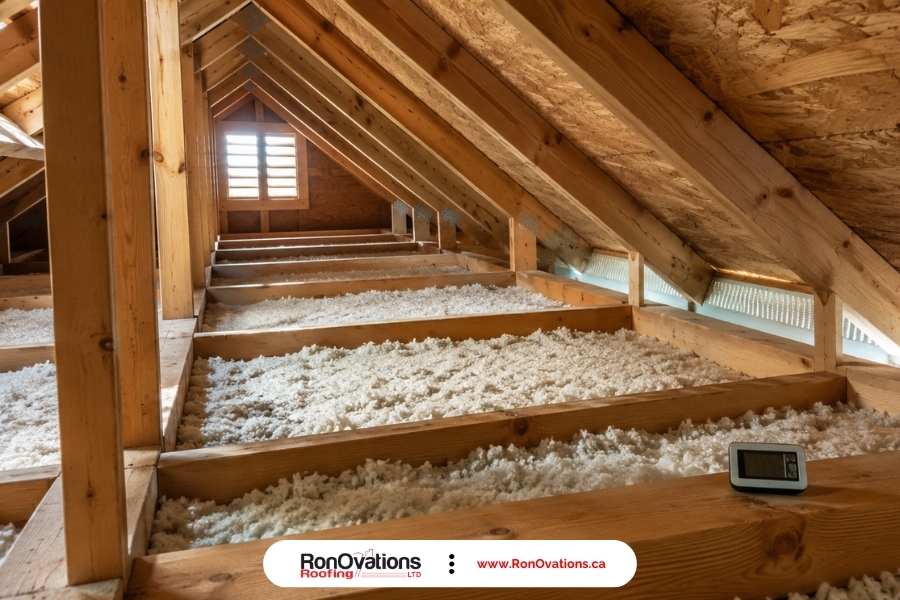
In a properly insulated home, the roof surface should not be the main factor controlling indoor winter comfort. The attic insulation layer is what separates the conditioned living space from the cold roof assembly. If your upper floor is cold in winter or hot in summer, the cause is often insulation, air leakage, or ventilation — not simply shingle colour.
That is why reflective shingles should be viewed as one part of the roof system, not the whole solution.
Are Solar Reflective Shingles Worth It in Ontario?
Are solar reflective shingles worth it in Ontario? In many cases, yes — but only when the roof conditions support the upgrade. They are most likely to be worth it when the home has strong sun exposure, regular summer cooling use, and a roof replacement already planned.
- Your roof gets strong sun exposure. South-facing and west-facing slopes usually benefit more than shaded slopes.
- You use air conditioning regularly. Reflective roofing has more value when there is an actual cooling load to reduce.
- Your upper floor gets hot in summer. A cooler roof surface can help reduce attic heat gain, especially when paired with proper ventilation.
- You are already replacing the roof. The upgrade is easier to justify during a planned re-roof than as a standalone change.
- You plan to stay in the home. The longer you keep the roof, the more time you have to benefit from comfort and energy improvements.
When Reflective Shingles Are Not Worth It
Reflective shingles are not the best choice for every home. In some cases, the money is better spent elsewhere.
Heavily Shaded Roofs
If large trees or neighbouring buildings shade most of your roof throughout the day, reflective shingles will not have much sunlight to reflect. In that situation, insulation or ventilation upgrades may provide better value.
Northern or Low-Cooling Regions
In colder regions with limited air conditioning use, the energy savings may be too small to justify the premium. Homeowners in northern locations should be careful about expecting a strong payback from reflective asphalt shingles.
Homes Without Air Conditioning
If you do not use mechanical cooling, the financial savings are limited. You may still get a cooler attic and improved comfort, but the return on investment is harder to calculate.
Roofs With Poor Ventilation
Reflective shingles cannot compensate for blocked soffits, inadequate exhaust ventilation, or poor attic airflow. A roof with ventilation problems should be corrected before spending more on reflective materials.
Installation Considerations for Solar Reflective Shingles
From an installation standpoint, most reflective asphalt shingles are installed very similarly to standard architectural shingles. The roof still requires proper preparation, underlayment, flashing, starter strips, ridge caps, and ventilation.
The right choice depends on roof slope, sun exposure, budget, curb appeal preferences, local weather, and long-term maintenance expectations. For homes with hot upper floors, poor airflow, or ice dam problems, reflective shingles should be discussed alongside soffit ventilation, ridge ventilation, insulation, and complete roof system design.
Colour Selection Matters
Lighter colours generally reflect more heat, but not every homeowner wants a light roof. The best choice is often a balance between reflectivity, curb appeal, neighbourhood style, and resale value.
Ventilation Still Comes First
Proper intake and exhaust ventilation are critical. If soffit vents are blocked or exhaust ventilation is undersized, attic heat can still build up even with reflective shingles.
A Full Tear-Off Is Usually Better
Installing new shingles over old shingles may be allowed in some cases, but it is usually not the best approach. A full tear-off allows the contractor to inspect the roof deck, replace damaged wood, correct flashing details, and avoid trapping heat or moisture between layers.
The shingle is only one component. A durable roof also depends on proper underlayment, flashing, drip edge, ice and water protection, attic airflow, skilled installation, and ongoing roof maintenance.
Do Reflective Shingles Qualify for Rebates in Canada?
There is no universal federal rebate in Canada specifically for reflective asphalt shingles. Some municipal programs may support cool roofing, green roofing, or energy-efficient building upgrades, but eligibility rules vary by city and roof type.
For example, the City of Toronto has an Eco-Roof Incentive Program that includes funding for green roofs and certain cool roof applications. However, homeowners should not assume that steep-slope reflective asphalt shingles automatically qualify. Many cool roof incentive programs are written around membranes, coatings, or commercial-style roof assemblies.
Before choosing a product based on a rebate, confirm the current program requirements directly with your municipality and ask your contractor whether the specific roof system is eligible.
Reflective Shingles vs Metal Roofing
Homeowners comparing reflective asphalt shingles often ask whether metal roofing is a better long-term choice. The answer depends on budget, expected ownership timeline, home style, roof design, and local weather conditions.
Reflective asphalt shingles usually have a lower upfront cost and look similar to traditional architectural shingles. Metal roofing typically costs more, but it can offer longer service life, strong durability, and reflective factory finishes depending on the product.
- Choose reflective shingles if you want a practical asphalt roof upgrade without changing the overall look of the home.
- Consider metal roofing if you want a longer-life roof system and are comfortable with a higher upfront investment.
- Choose standard architectural shingles if budget, colour selection, or shaded roof conditions make reflective shingles less valuable.
A roofing contractor should compare these options based on roof pitch, exposure, ventilation, neighbourhood aesthetics, and long-term maintenance expectations.
Best Roof Conditions for Solar Reflective Shingles
Solar reflective shingles usually make the most sense on homes with:
- Open sun exposure
- South or west roof slopes
- Limited tree coverage
- Hot upper-floor rooms in summer
- Central air conditioning or heat pump cooling
- Good attic insulation or plans to improve it
- Proper intake and exhaust ventilation
- A homeowner planning to stay long enough to benefit from the upgrade
They are less compelling for shaded homes, short-term ownership, very cold regions, or roofs where basic repairs and ventilation upgrades are the bigger priority.
How to Choose the Right Reflective Shingle
When comparing reflective shingles, do not choose based on marketing language alone. Ask for the product data and compare the roof as a complete system.
- Is the product listed in a recognized cool roof product directory?
- What are the published solar reflectance and SRI values?
- Is the colour actually available from local suppliers?
- Does the product carry the same warranty as the standard version?
- Will the colour look appropriate on the home?
- Is the attic ventilation already adequate?
- Would insulation upgrades provide better value?
- Is the roof shaded or exposed?
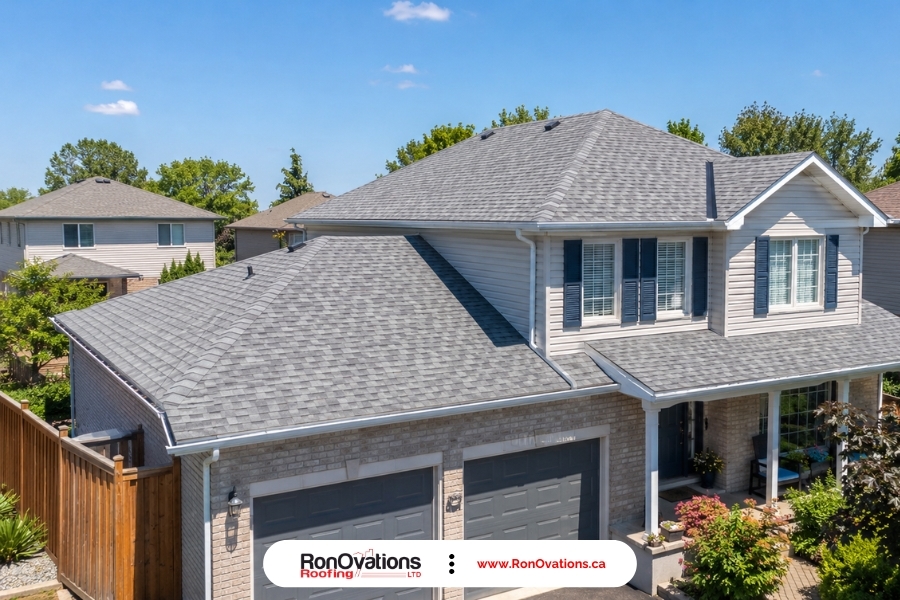
The best reflective shingle is not always the lightest or most expensive option. It is the product that fits the home, performs well for the roof exposure, and is installed correctly as part of a complete roof system.
FAQ: Solar Reflective Shingles Canada
Are solar reflective shingles worth it in Ontario?
They can be worth it for sun-exposed homes in southern Ontario, especially when the homeowner uses air conditioning regularly and is already planning a roof replacement. They are less valuable on heavily shaded roofs or homes with low cooling demand.
Do solar reflective shingles reduce cooling bills?
They may help reduce cooling demand, especially on hot, sunny homes with air conditioning. The exact savings vary by roof exposure, insulation, attic ventilation, HVAC efficiency, utility rates, and thermostat habits.
Do reflective shingles last longer than standard shingles?
Reflective shingles often carry similar warranty terms to comparable standard architectural shingles. Because they can operate at lower surface temperatures, they may experience less heat stress, but actual lifespan still depends on installation quality, ventilation, roof pitch, weather exposure, and maintenance.
Do reflective shingles make the house colder in winter?
For most well-insulated homes, the winter impact is usually limited. Low winter sun angles, snow cover, and attic insulation reduce the role that shingle colour plays in heating performance.
Are reflective shingles only available in white?
No. White and light grey products usually provide the highest reflectance, but some manufacturers offer tan, beige, brown, or weathered wood-style reflective colours. Availability depends on brand and supplier.
Can reflective shingles be installed over old shingles?
In some areas, a second layer of asphalt shingles may be allowed, but a full tear-off is usually the better approach. Removing the old roof allows proper deck inspection, better flashing work, and a cleaner installation.
Are solar reflective shingles good for flat roofs?
Reflective roofing is common on flat and low-slope commercial roofs, but those systems usually use reflective membranes or coatings rather than asphalt shingles. For commercial flat roofing, products such as white TPO, PVC, or reflective coatings may be more appropriate than shingles.
Do reflective shingles replace attic ventilation?
No. Reflective shingles can reduce roof surface heat, but they do not replace proper intake and exhaust ventilation. A poorly ventilated attic can still overheat even with reflective shingles.
What colour reflective shingle is best?
The best colour depends on the home. Light colours usually reflect more heat, but medium tones may provide a better balance between curb appeal and performance. Ask your contractor for product data before choosing.
Should I choose reflective shingles or metal roofing?
Reflective shingles are usually more affordable upfront and keep the look of a traditional asphalt roof. Metal roofing typically costs more but may offer longer service life and strong reflectivity depending on the finish. The right choice depends on budget, roof design, and long-term plans.
Final Verdict: Should You Install Solar Reflective Shingles?
Solar reflective shingles Canada homeowners are considering can be a smart upgrade for the right property, especially in regions where summer cooling demand is meaningful. They are most useful on sun-exposed roofs, homes with air conditioning, and projects where the homeowner is already investing in a full roof replacement.
They are not the first upgrade every roof needs. If your attic ventilation is poor, your insulation is weak, your roof deck has damage, or your flashing details are failing, those issues should be addressed first. A reflective shingle is only valuable when the rest of the roof system is properly designed and installed.
For the right home, solar reflective shingles can improve summer comfort, reduce roof heat absorption, and add a practical efficiency upgrade without moving away from asphalt shingles. The best decision is made after reviewing roof exposure, product availability, ventilation, budget, and long-term plans.